
Powerlife Africa Limited
Powerlife Africa · Men's Wellness

Men's Wellness Hub

Better information. Better habits. Better vitality.

This hub covers the everyday factors behind men's health: energy, sleep, weight, fitness, sexual wellness and stress, and how each one moves the others. Read what applies to you, then take the two-minute vitality check to see exactly where you stand.

Explore by topic

Six areas, one starting point.

These six factors do most of the work in men's health, and they rarely act alone. Start with whichever one sounds most like you.

Energy & Vitality

Why You're Tired All the Time (And What Actually Helps)

Persistent low energy rarely has one cause. Poor sleep, unmanaged stress, low physical activity, inconsistent meals, dehydration, and underlying health conditions can all produce the exact same complaint: you're tired, and rest doesn't seem to fix it. Because the symptom looks identical regardless of cause, most men default to the same response, more caffeine, more willpower, without ever addressing what's actually driving it.

Start with the basics, honestly assessed. Are you sleeping seven to nine hours, and is that sleep actually restful, or just time spent lying down? Are you eating regular meals with real food, or running long stretches without eating and then crashing on something quick and heavy? Is physical activity almost entirely absent from your week? It's worth being genuinely honest here rather than assuming these are already fine, most chronic fatigue traces back to one or two of these being quietly neglected for months.

Dehydration is underrated as a cause. Even mild dehydration measurably affects concentration, mood, and physical energy, and it's easy to run low without noticing, especially with regular coffee intake, which has a mild diuretic effect. If water intake through the day is an afterthought, that's a genuinely easy first fix to test before looking anywhere else.

Movement paradoxically creates energy. It feels counterintuitive when you're already tired, but regular moderate exercise, even brisk walking, tends to increase overall energy levels over weeks, largely through better sleep quality, improved cardiovascular efficiency, and mood regulation. Sedentary fatigue is a real, well-documented pattern: the less you move, the more tired you feel, which makes you move even less.

When it's not lifestyle. Some men notice a real, sustained dip in vitality that doesn't track with an obvious cause, energy that stays low even when sleep, diet, hydration, and activity are all reasonably in order. That pattern deserves attention rather than being pushed through indefinitely. Thyroid function, anaemia, sleep apnoea, depression, and hormonal changes can all present primarily as fatigue, and none of them resolve with more coffee. If tiredness has been persistent for several weeks, is getting worse rather than better, or comes with other changes, unexplained weight change, mood shifts, disrupted sleep despite genuinely trying to fix it, that's a conversation for a healthcare professional, not something to self-diagnose or wait out.

For everyday support alongside good habits, the PowerLife vitality range is built around nutrients commonly associated with energy metabolism and recovery. It's not a replacement for sleep, food, hydration, or medical care when that's what's needed, it's designed to sit alongside those fundamentals, not substitute for them.

Not sure where your energy levels actually stand? Take the Vitality Check for a quick, honest read on how you're doing, or browse the formulary to see what's designed to support this specific area.

Sexual Wellness

Sexual Health Is Whole-Body Health

Sexual wellness doesn't exist in isolation from the rest of the body. Libido, performance, and confidence are tied closely to cardiovascular health, circulation, hormone balance, sleep quality, stress levels, and even medications a man might already be taking for unrelated conditions. Treating sexual function as its own separate category, disconnected from general health, usually means missing the actual cause of a problem.

Fluctuation is normal. It's common for sexual function to vary, stress, poor sleep, alcohol, a demanding period at work, or even a new medication can all have a temporary effect. An occasional off night, in isolation, isn't usually a sign of anything serious, and treating every instance as a crisis tends to make performance anxiety worse, which becomes its own separate problem layered on top of the original one.

Circulation is the through-line. Sexual function depends heavily on healthy blood flow, which is one of the reasons cardiovascular health and sexual health are so closely linked in the research. The same habits that protect the heart, regular exercise, not smoking, managing blood pressure and cholesterol, maintaining a healthy weight, directly support sexual function too. This is worth internalising: general fitness isn't a separate wellness goal from sexual wellness, it's a direct contributor to it.

Stress and mental state matter as much as physical factors. Performance anxiety, relationship stress, and general mental load can affect sexual function just as much as any physical cause, and the two often compound each other, a physical issue creates anxiety, which then makes the physical issue worse. Addressing stress and communication, not just the physical side, is often part of the real fix.

What's worth taking seriously. A persistent, ongoing change is different from an occasional off night: sustained difficulty over weeks or months, a noticeable and lasting drop in libido with no clear trigger, or performance issues that don't resolve as stress or circumstances improve. Persistent difficulties in this area can sometimes point to an underlying issue, cardiovascular disease, diabetes, low testosterone, or side effects from medication, and are genuinely worth discussing with a healthcare professional rather than working around indefinitely or assuming it's purely psychological. This is a category where guessing, or quietly hoping it resolves on its own, tends to serve men poorly.

The PowerLife range includes formulations built around ingredients associated with circulation and vitality support, intended to complement attention to the underlying health factors involved, not replace investigating them when something persistent is going on.

Curious how your overall vitality is tracking? The Vitality Check is a private, straightforward starting point. Or explore the formulary directly if you already know what you're looking for.

Sleep & Recovery

Sleep Is Where Recovery Actually Happens

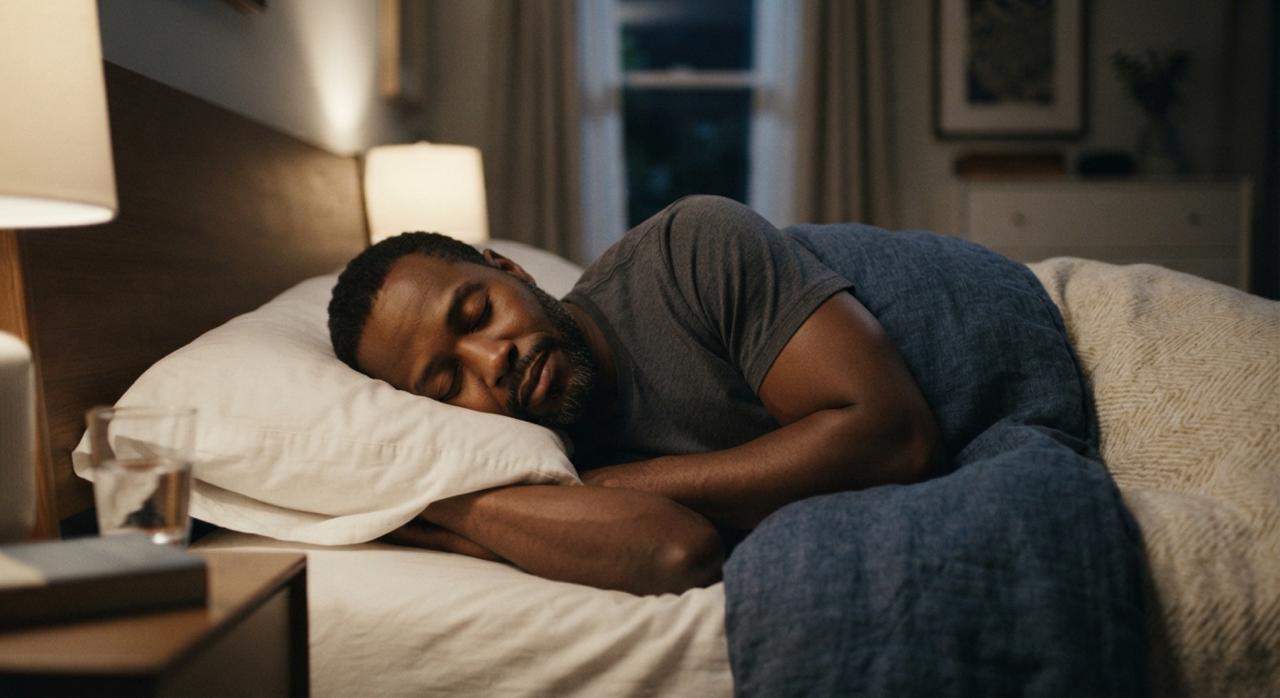
Training harder, eating better, and managing stress all lose much of their effect if sleep isn't solid. Sleep isn't downtime, it's when the body repairs muscle tissue, regulates hormones like testosterone and cortisol, consolidates memory, and processes the physical and mental load of the day. Skimping on it undermines almost every other health effort simultaneously.

Poor sleep hides behind other complaints. Low energy, irritability, reduced concentration, slower recovery from exercise, increased appetite and cravings, even reduced libido, all of these can trace back to insufficient or poor-quality sleep, and many men try to fix each symptom individually without addressing the actual upstream cause. If several of these are present together, sleep is usually the first place to look.

Consistency matters more than most people expect. A regular sleep and wake time, including on weekends, helps regulate the body's internal clock far more effectively than occasional long lie-ins to catch up, which often do less than assumed and can actually disrupt the following night's sleep.

Light exposure is one of the biggest levers. Bright light and screens in the hour before bed suppress melatonin production, the hormone that signals it's time to sleep, which is why scrolling in bed often makes falling asleep harder even when tired. Conversely, exposure to natural light earlier in the day helps anchor a healthy sleep-wake rhythm.

A few other habits worth building deliberately: limiting caffeine from early-to-mid afternoon onward, since its effects last longer than most people realise; keeping the bedroom cool, dark, and used mainly for sleep rather than work or scrolling; and being cautious with alcohol before bed, it can help you fall asleep faster but measurably reduces sleep quality later in the night.

When to take it further. If sleep has been genuinely difficult for an extended period, trouble falling asleep, frequent waking, or waking unrefreshed despite adequate hours in bed, especially alongside loud snoring or gasping during sleep, that's worth raising with a healthcare professional. Conditions like sleep apnoea are common, under-diagnosed, and not something habit changes alone will fix.

For men whose sleep and recovery could use extra support alongside good habits, the PowerLife range includes options formulated around ingredients associated with rest and recovery.

Want a clearer picture of where you stand? Take the Vitality Check, or head to the formulary to see what's built for this specific area.

Weight & Metabolism

Healthy Weight Is a Lifestyle Outcome, Not a Quick Fix

Weight management is one of the most oversimplified topics in wellness, usually reduced to eat less, move more. There's truth buried in that, but it skips the parts that actually determine whether change sticks long-term: sleep quality, stress levels, consistency over months rather than weeks, and realistic expectations about pace.

Sleep and stress affect weight more than most men account for. Poor sleep disrupts the hormones that regulate hunger and fullness, ghrelin and leptin, which tends to increase appetite and cravings for high-calorie food the next day. Chronic stress raises cortisol, which is linked to increased abdominal fat storage in particular. Trying to manage weight through diet alone while sleep and stress remain unaddressed is fighting the problem with one hand tied behind your back.

Consistency beats intensity. Regular meals rather than skipping and overeating later, more whole and minimally processed foods, adequate protein to support satiety and preserve muscle, and consistent movement rather than occasional intense bursts followed by weeks of nothing, these unglamorous basics outperform any short-term plan precisely because they're sustainable. Rapid weight loss from extreme restriction is also more likely to include muscle loss alongside fat loss, and more likely to be regained once the restriction ends.

Muscle mass matters for metabolism. Resistance training, not just cardio, plays a real role in weight management because muscle tissue burns more energy at rest than fat tissue does. Men focused purely on cutting calories while ignoring strength training often find metabolism working against them over time.

When it's not just habits. It's worth being honest that weight and metabolism can be affected by factors diet and exercise alone won't fully address, thyroid dysfunction, certain medications, hormonal changes, insulin resistance. If weight has changed significantly without a clear cause, or an approach that used to work has stopped working despite consistent effort, that's worth raising with a healthcare professional rather than assuming it's simply a discipline problem or trying yet another diet.

For men building healthier habits around weight and metabolism, the PowerLife range includes formulations associated with metabolic support, intended to work alongside, not instead of, genuine lifestyle change.

Not sure where to start? Take the Vitality Check for an honest baseline, or browse the formulary for what's designed to support this area.

Fitness & Performance

Training Smarter, Not Just Harder

Fitness and physical performance are shaped by more than time spent in the gym. Recovery, nutrition, consistency, sleep, and realistic programming all determine whether effort actually translates into results, and a lot of men plateau not from lack of effort, but from over-indexing on training volume while ignoring everything around it.

Progressive overload, not just intensity. Strength and endurance improve when the body is asked to do gradually more over time, slightly more weight, more reps, more distance, not from simply training harder in an unstructured way. Going all-out every session without a plan for progression tends to produce diminishing returns and higher injury risk, not faster results.

Recovery is part of training, not a break from it. Muscle adaptation, the actual process that makes you stronger or fitter, happens during rest, not during the workout itself. Training the same muscle groups hard every single day without adequate recovery time typically slows progress rather than accelerating it, and significantly raises injury and overtraining risk.

Nutrition carries as much weight as the training itself. Adequate protein intake supports muscle repair and growth; enough total food supports the energy demands of consistent training; and under-fuelling, common among men trying to manage weight and build fitness at the same time, often shows up as stalled performance, poor recovery, and persistent fatigue that no amount of extra training fixes.

Sleep, again, is foundational here. Athletic performance, reaction time, and recovery capacity all decline measurably with poor sleep, which is one of the most consistently under-addressed factors in stalled fitness progress.

When a decline is worth investigating. Performance that stalls or actually declines despite consistent training, adequate nutrition, and proper recovery is worth paying attention to rather than simply pushing harder. That pattern can point to under-fuelling, insufficient recovery, overtraining, or, less commonly, an underlying health issue. It's reasonable and sensible to check with a healthcare professional if a real, sustained drop in performance doesn't resolve with rest and adjusted training.

For men looking to support training and recovery, the PowerLife range includes options associated with endurance, strength, and recovery support, meant to complement solid training and nutrition, not substitute for either.

Want to know where your baseline actually is? Take the Vitality Check, or explore the formulary directly.

Stress & Mental Wellbeing

Managing Stress Before It Manages You

Stress isn't inherently harmful, short bursts of it are a normal part of life and can even sharpen focus and performance in the moment. The real issue is chronic, unmanaged stress, which affects sleep, appetite, energy, mood, immune function, and cardiovascular health over time in ways that are easy to underestimate because they build gradually rather than showing up all at once.

Stress and sleep reinforce each other. Chronic stress makes quality sleep harder to get, and poor sleep in turn reduces the body's capacity to cope with stress the next day, a cycle that can quietly worsen over weeks without a clear single trigger. Breaking the cycle usually means addressing both at once rather than treating them as separate problems.

Physical activity is one of the most effective tools available. Regular exercise is consistently linked to lower stress and anxiety levels, partly through direct physiological effects and partly through the structure and sense of control it provides. It doesn't need to be intense, consistency matters more than intensity here.

Simple practices have a real, measurable effect. Basic breathing techniques and brief relaxation practices, even a few minutes a day, can lower physiological stress markers like heart rate and cortisol. These aren't a substitute for addressing the actual sources of stress, but they genuinely help manage the body's response while working on the underlying causes.

Deliberate disconnection matters more than it's given credit for. Constant availability, checking email or messages late into the evening, never fully switching off from work, keeps the stress response partially activated even during supposed rest time. Protecting genuine downtime, even in small blocks, has a disproportionate effect on overall stress load.

Where the line is. It's worth being direct here: persistent low mood, ongoing anxiety, or stress that's interfering with daily life, sleep, work, or relationships is not something to simply push through or manage alone indefinitely. That's a conversation worth having with a healthcare professional or counsellor. Mental health is health, there's nothing to be gained, and often a great deal lost, from treating it as a lower priority than physical symptoms.

For everyday stress support alongside good habits, the PowerLife range includes formulations associated with relaxation and stress response.

Curious how stress might be affecting your overall vitality? Take the Vitality Check, or browse the formulary for what's designed to help.

Where to start

See where you stand today.

The two-minute vitality check turns these six areas into one practical starting point, personal to your answers. Every formulation ships the same day, in plain packaging, to any of Kenya's 47 counties.